Table of Contents
- Massive Keystone pipeline spill validates every safety concern for a ...
- Why the Keystone XL Pipeline May Not Be Built
- President Obama administration nixes Keystone XL pipeline - ABC7 San ...
- Keystone pipeline ordered to remain closed until corrective action ...
- The Keystone XL Pipeline: What Happens Next? - Schiffer Hicks Johnson PLLC
- Keystone Xl Pipeline Project Prepares To Enter East Texas - Keystone ...
- AP: U.S. to approve Keystone XL pipeline - The Blade
- Company behind scrapped Keystone XL pipeline sues the US for ...
- pijpleiding grijs icoon 12227678 PNG
- Keystone XL pipeline: Judge blocks construction
Introduction to the Keystone Pipeline


History of the Keystone Pipeline


Environmental Concerns
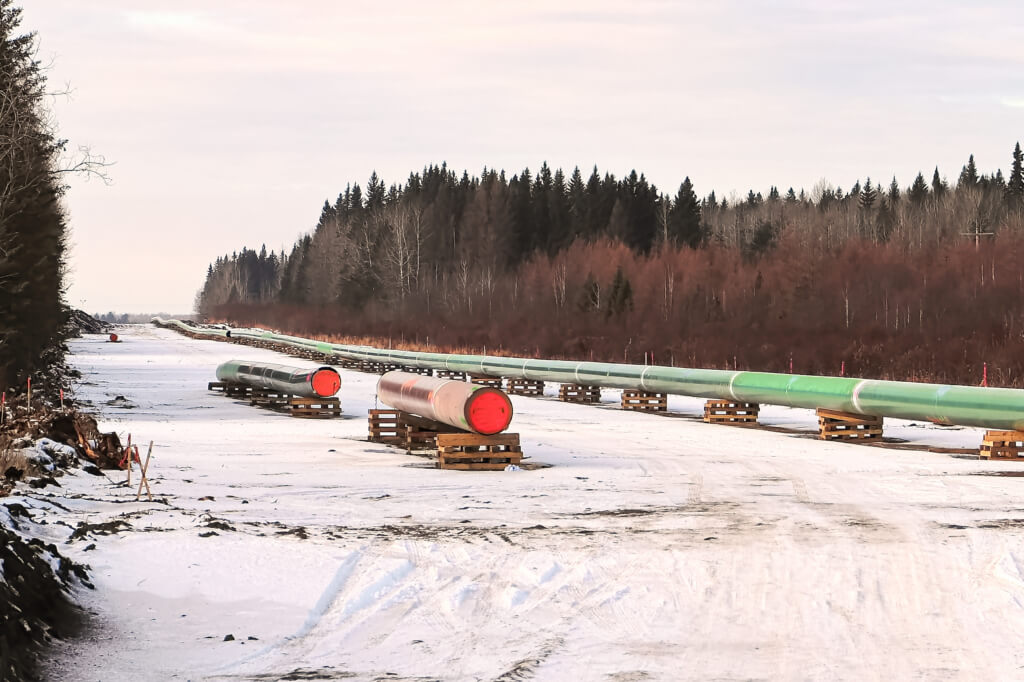
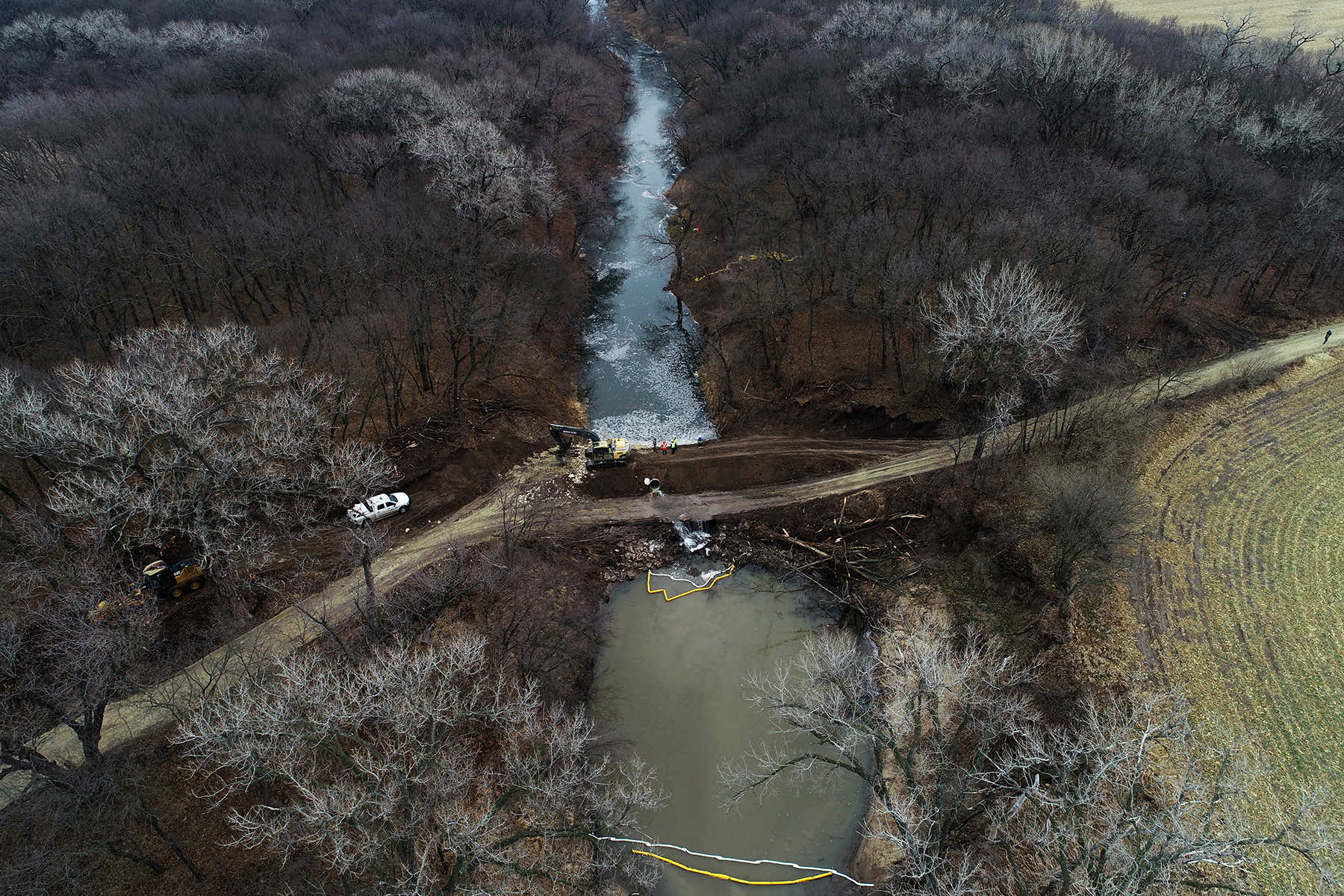
The Keystone Pipeline has been a subject of controversy due to its potential environmental impact. The pipeline passes through several sensitive ecosystems, including the Sandhills region in Nebraska, which is home to several endangered species. The pipeline also crosses several major rivers, including the Missouri River, which provides drinking water to millions of people. There have been several oil spills along the pipeline, including a major spill in 2017, which has raised concerns about the safety of the pipeline.
Economic Benefits
Despite the environmental concerns, the Keystone Pipeline has several economic benefits. The pipeline creates thousands of jobs, both directly and indirectly, and generates significant revenue for the governments of Canada and the United States. The pipeline also helps to reduce the United States' dependence on foreign oil, which has improved the country's energy security. The Keystone Pipeline is a complex and multifaceted issue, with both environmental and economic implications. While the pipeline has the potential to create jobs and generate revenue, it also poses significant risks to the environment and public health. As the world continues to transition to cleaner and more sustainable forms of energy, it is essential to carefully consider the impact of the Keystone Pipeline and other fossil fuel infrastructure projects.For more information on the Keystone Pipeline, you can visit the Wikipedia page or other reputable sources. It is essential to stay informed and up-to-date on this critical issue, as it continues to shape the future of our planet.